News and Events
Project updates and event coverage from OCEAN-H2, including meetings, workshops, milestones, outreach activities, and media highlights.
OCEAN-H2 Hosts Its First Stakeholder-Focused Webinar with BalticSeaH2
OCEAN-H2 held its first stakeholder-focused webinar, welcoming the BalticSeaH2 project for an exchange on the technical, systemic, and societal dimensions of hydrogen development in Europe. The session strengthened links between the two initiatives and created a platform for knowledge exchange, technical discussion, and future collaboration.
Alexander Micallef, OCEAN-H2 Coordinator, highlighted offshore hydrogen production as a system-integration challenge, requiring renewable generation, power transmission, variability management, water supply, electrolysis, and hydrogen offtake to operate together under demanding marine conditions.
Susanna Kupiainen, representing BalticSeaH2, presented the development of an interregional and cross-border Hydrogen Valley around the Baltic Sea, integrating hydrogen production, storage, transmission, and end uses while addressing investment and social-acceptance challenges.
Both projects expressed interest in maintaining the dialogue. The webinar therefore represents an important milestone in OCEAN-H2’s stakeholder-engagement activities and supports stronger collaboration across the European hydrogen ecosystem.
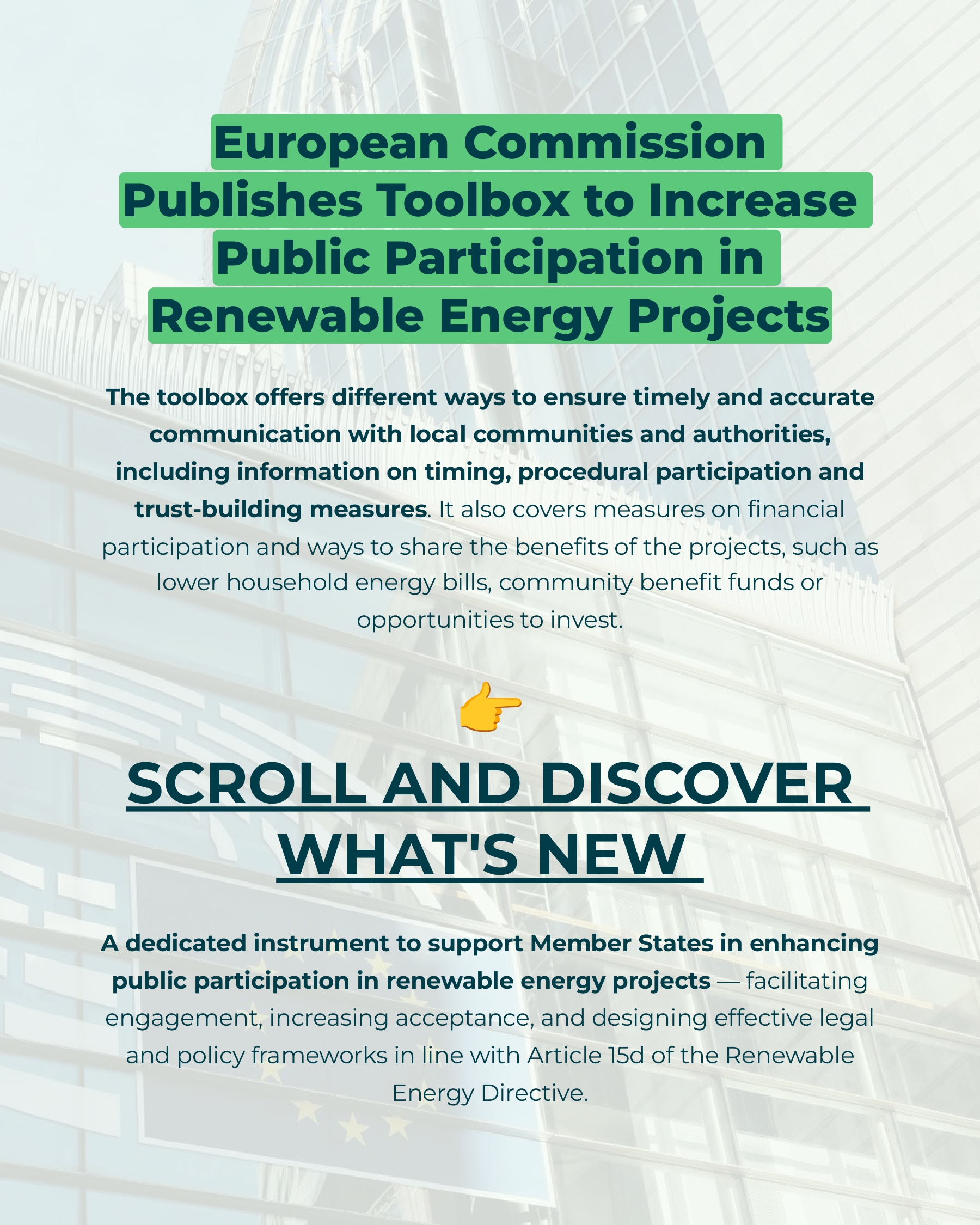
European Commission releases the Public Inclusion Toolbox for Renewable Energy
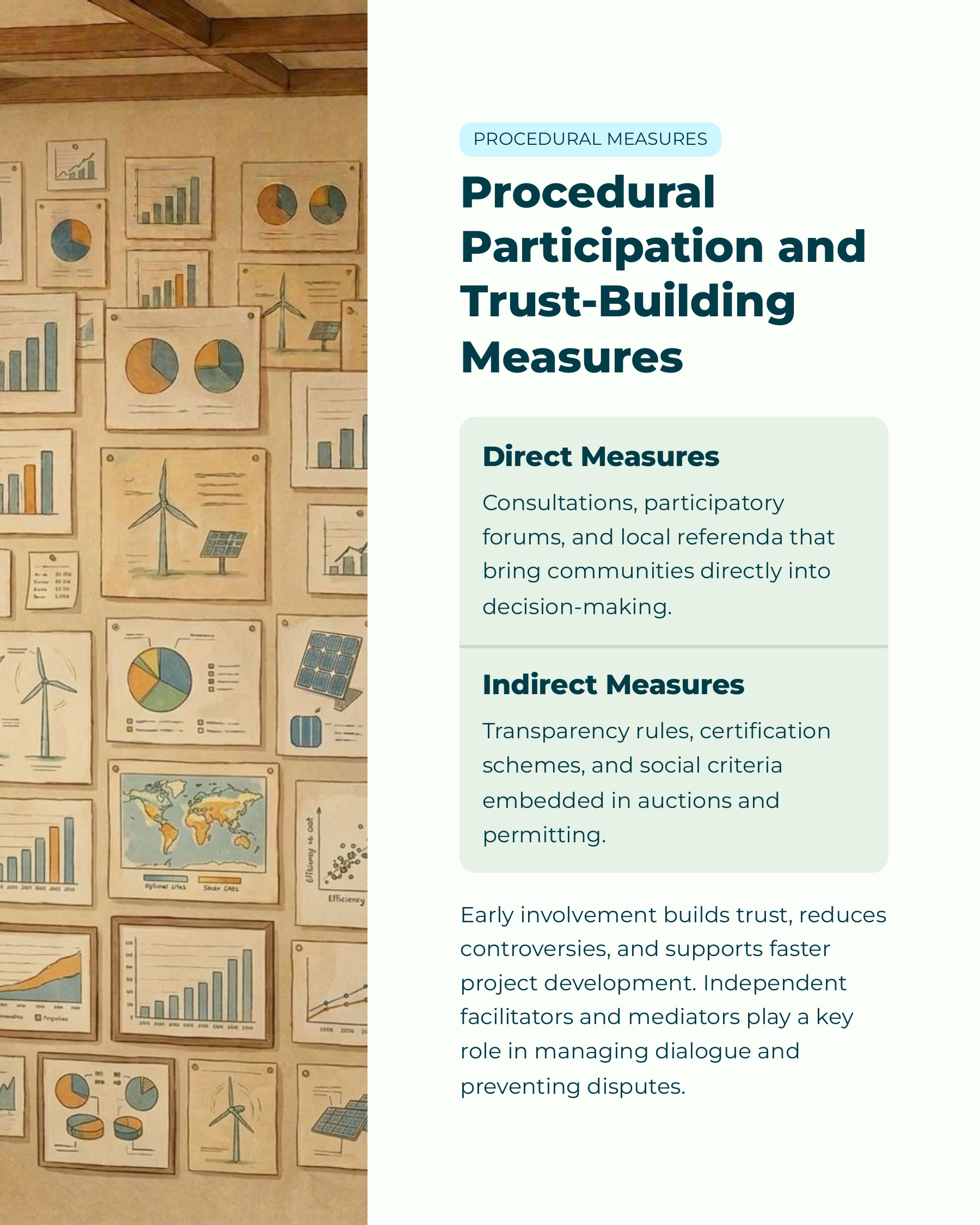
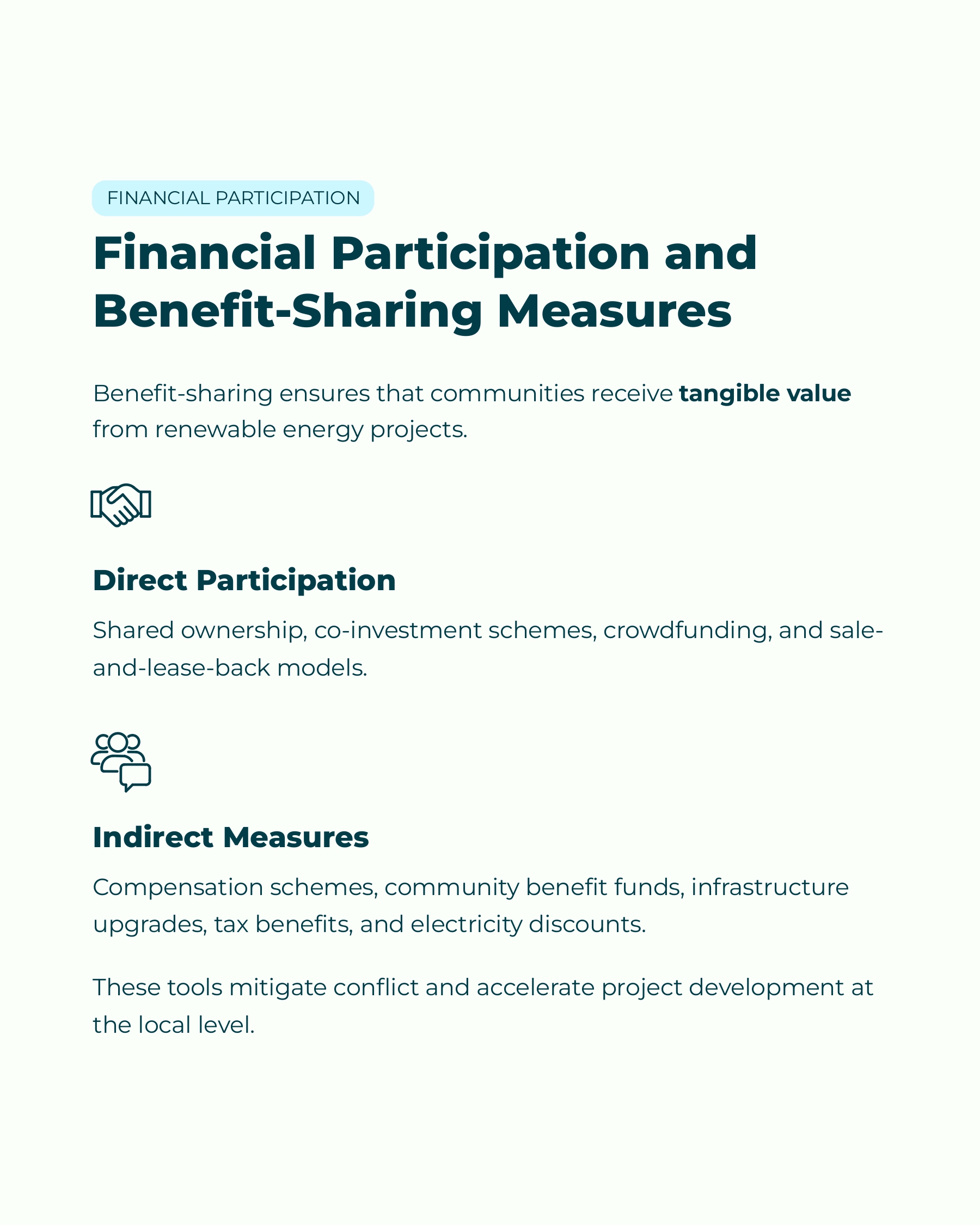
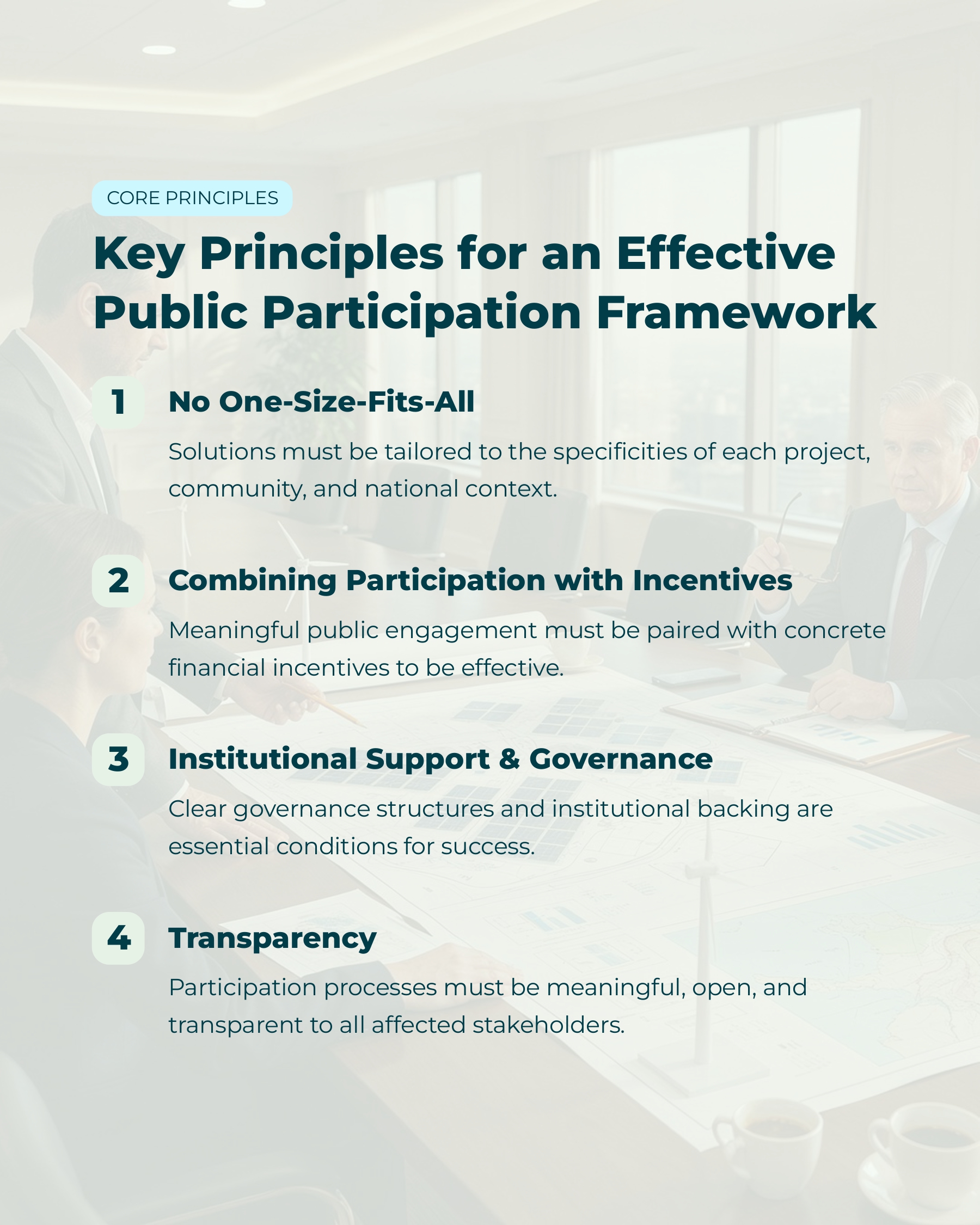
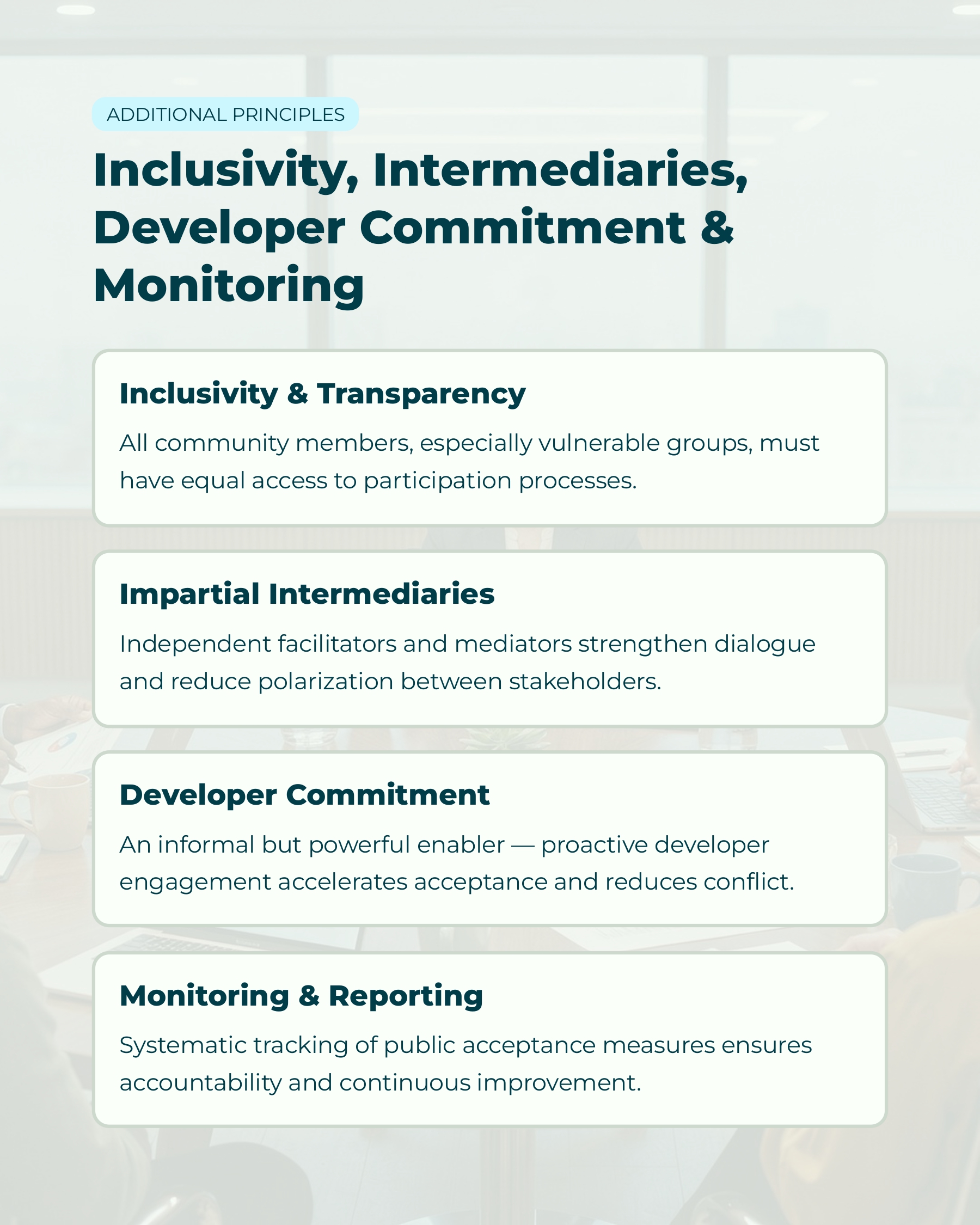
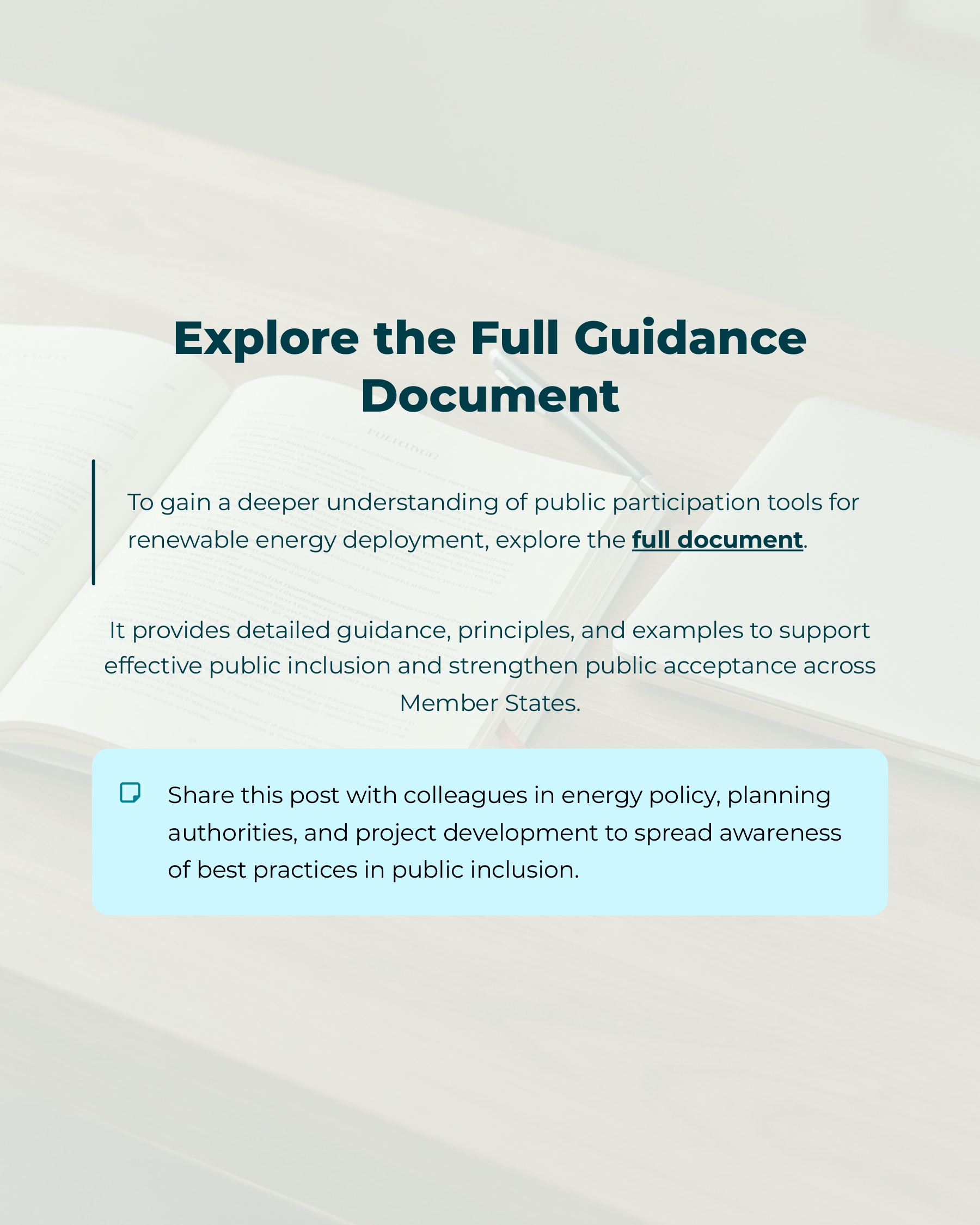
The European Commission has released the new Public Inclusion Toolbox for Renewable Energy, a practical instrument designed to help Member States strengthen public participation in renewable-energy projects.
The toolbox provides clear guidance on:
- Procedural participation: consultations, forums, and transparency rules.
- Financial participation and benefit-sharing: community funds, discounted bills, and local investment.
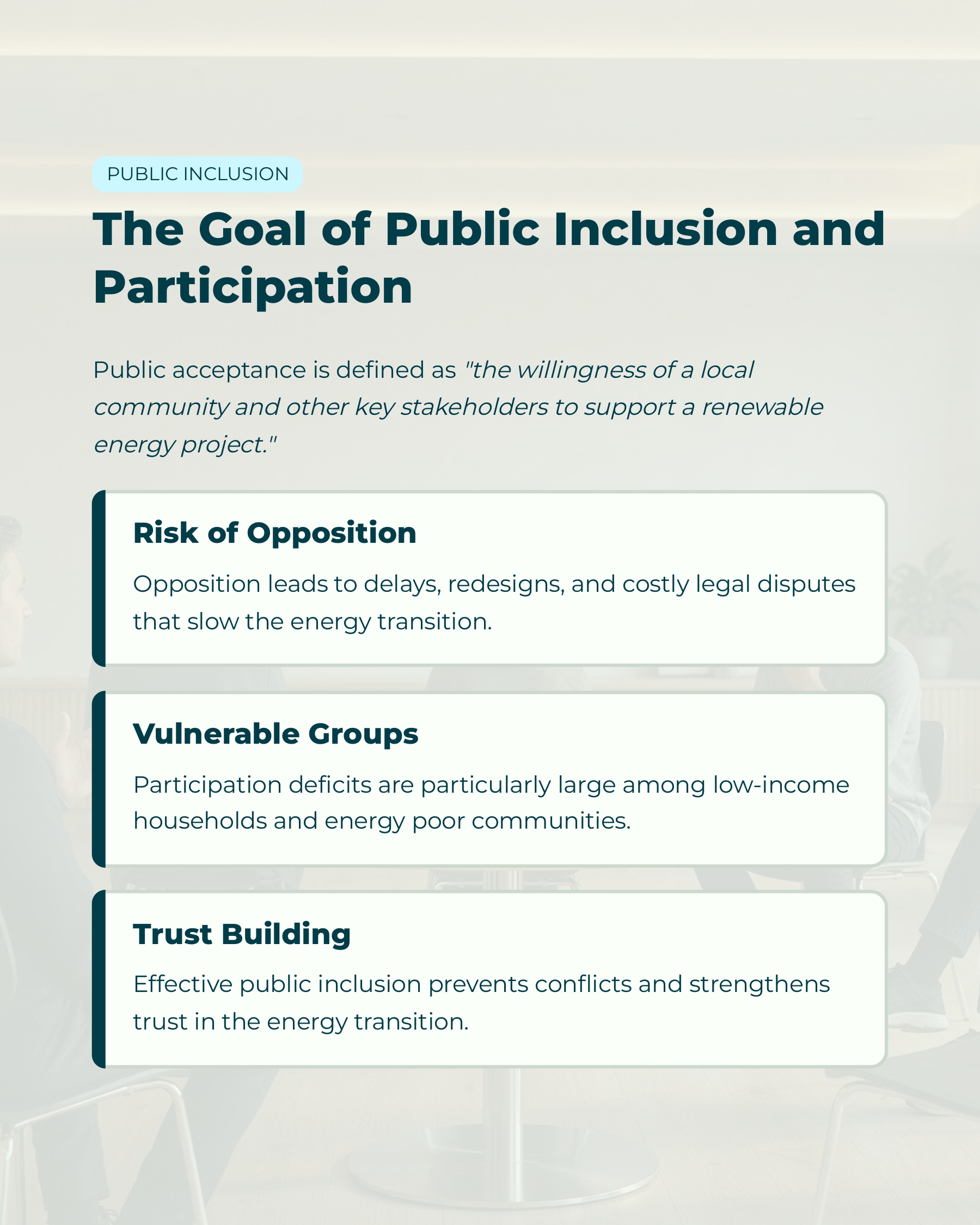
- Core principles: inclusivity, trust-building, transparency, and effective governance.
Why this matters for OCEAN-H2
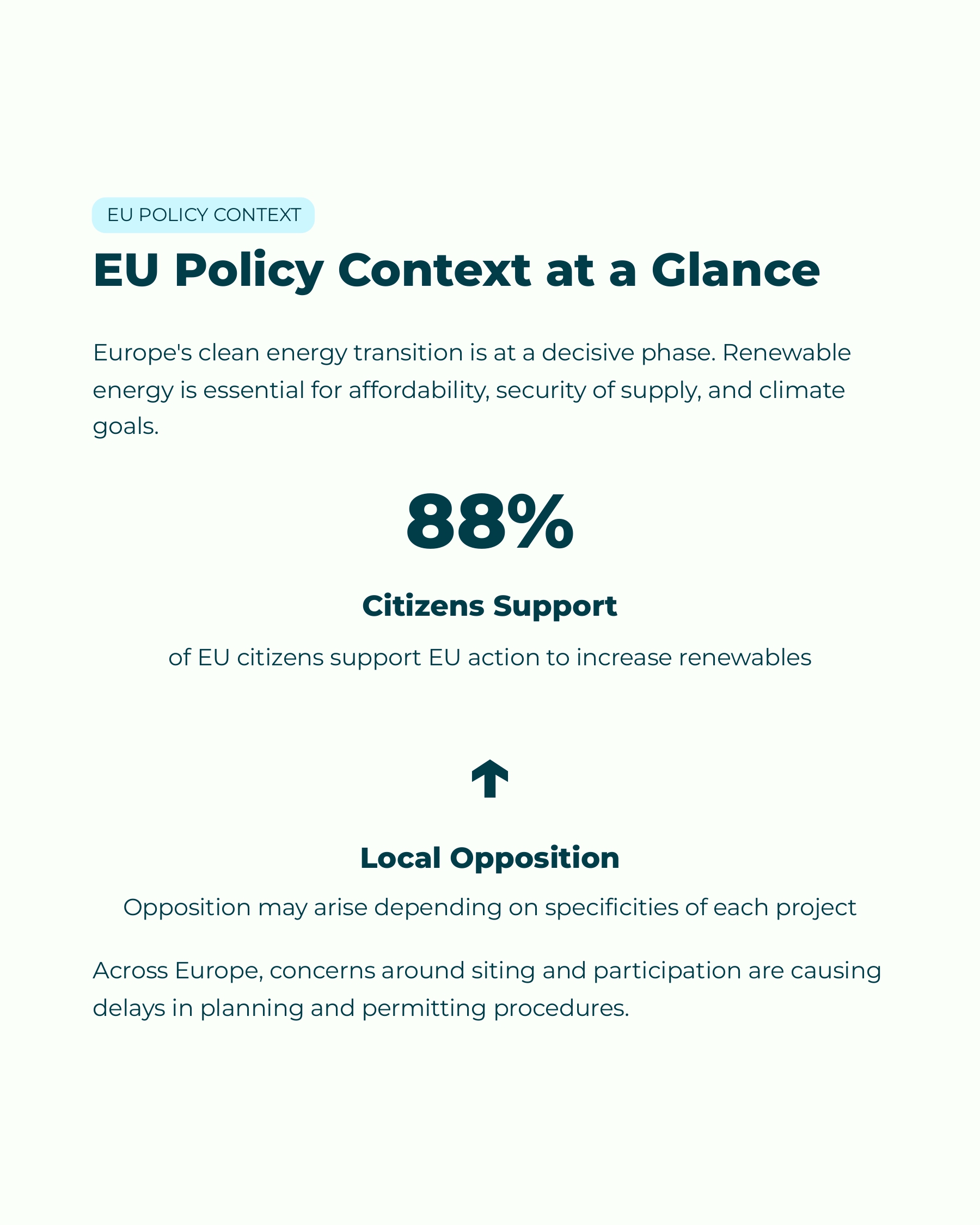
Large-scale offshore hydrogen systems interact with coastal communities and diverse local stakeholders. Their acceptance is essential for deployment. The toolbox shows that public participation is not optional, but a strategic condition for success.
Social sciences therefore play a decisive role. Understanding perceptions, fairness, community dynamics, and trust mechanisms is fundamental to designing engagement processes that work and prevent conflict.
Use the arrows, dots, or swipe gesture to explore the eight-page infographic and its relevance to the future of renewable energy and OCEAN-H2.
OCEAN-H2 General Meeting in Naples: Meeting Successfully Concluded
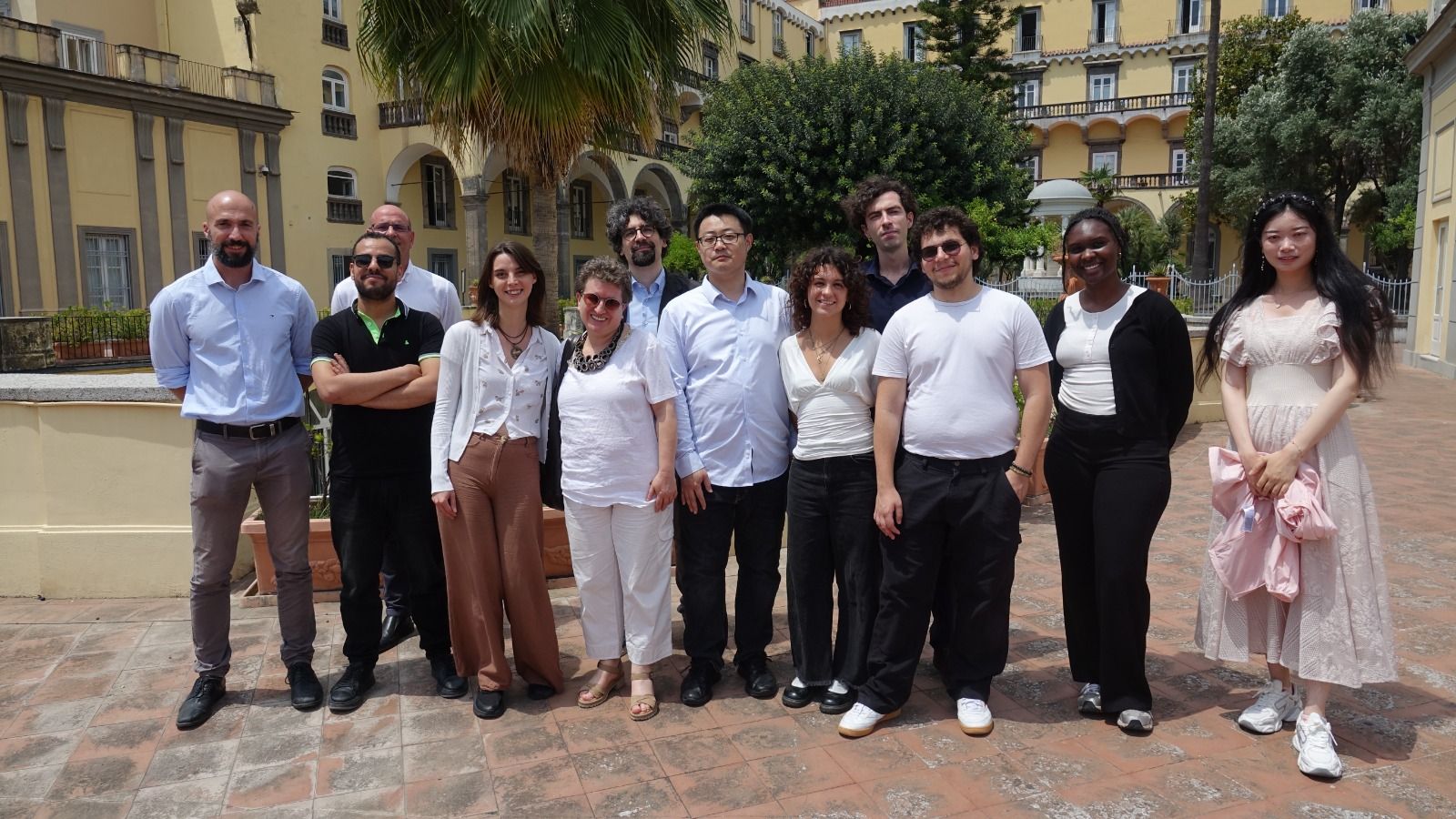
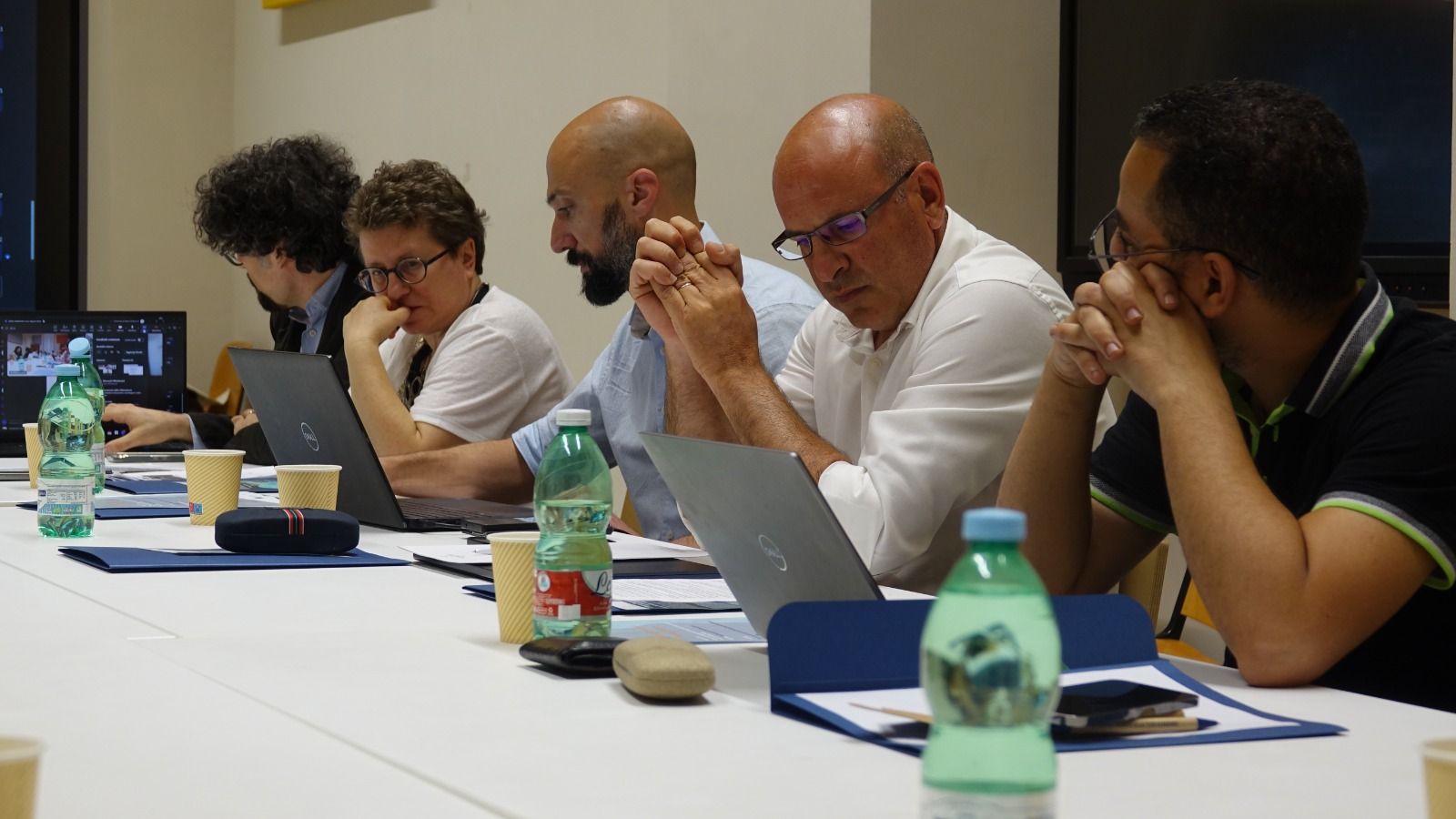
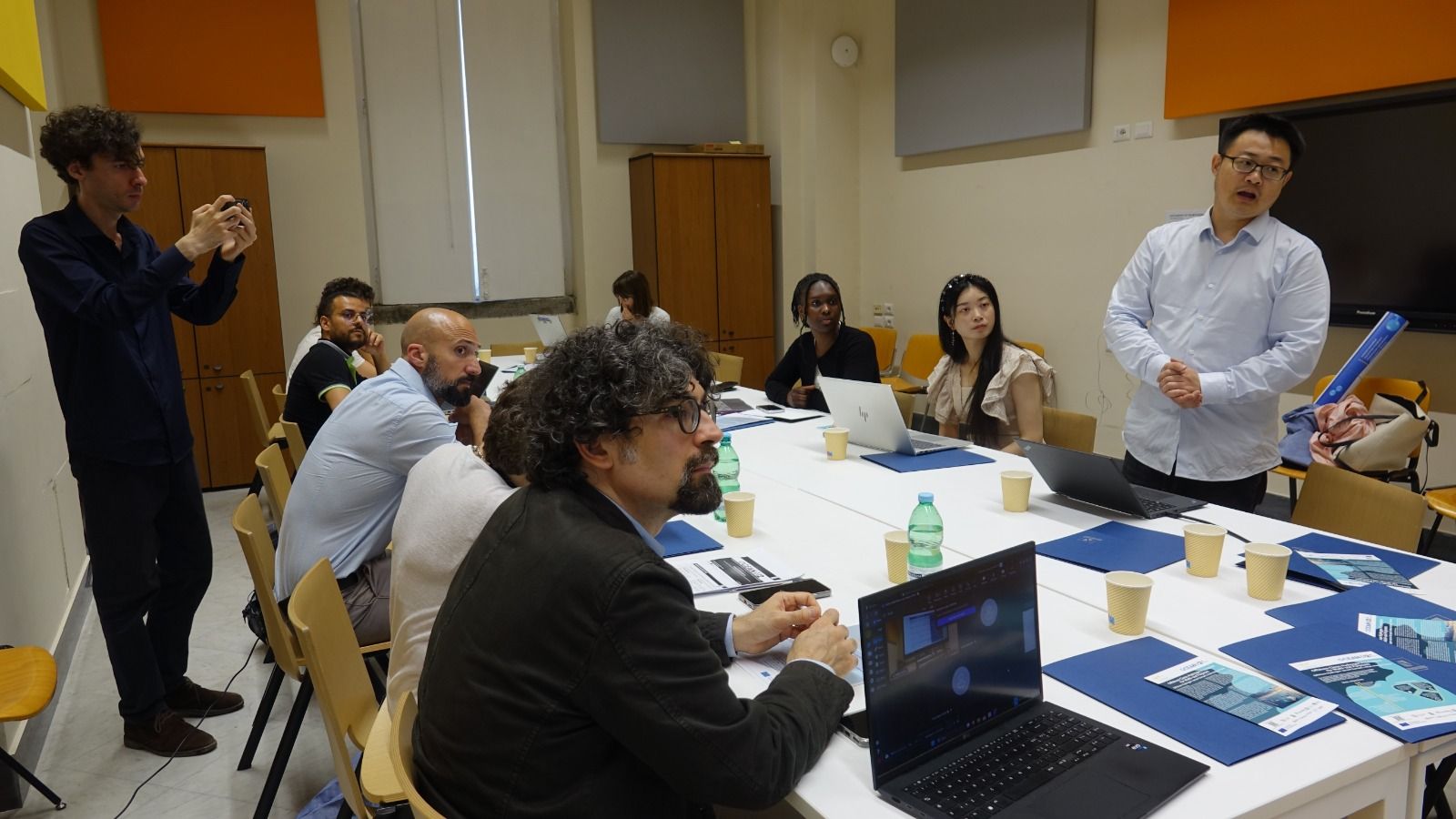
The OCEAN-H2 consortium has successfully concluded its in-person General Meeting held at the Department of Social Sciences of the University of Naples Federico II.
The session brought together all Work Packages for a full day of technical alignment, data harmonisation, and strategic coordination.
The meeting concluded with a consolidated list of actions and next steps, including interface agreements across WPs and decisions on data alignment to support the project’s upcoming deliverables.
A special thanks to all partners for their active contribution and to the University of Naples Federico II for hosting the consortium.
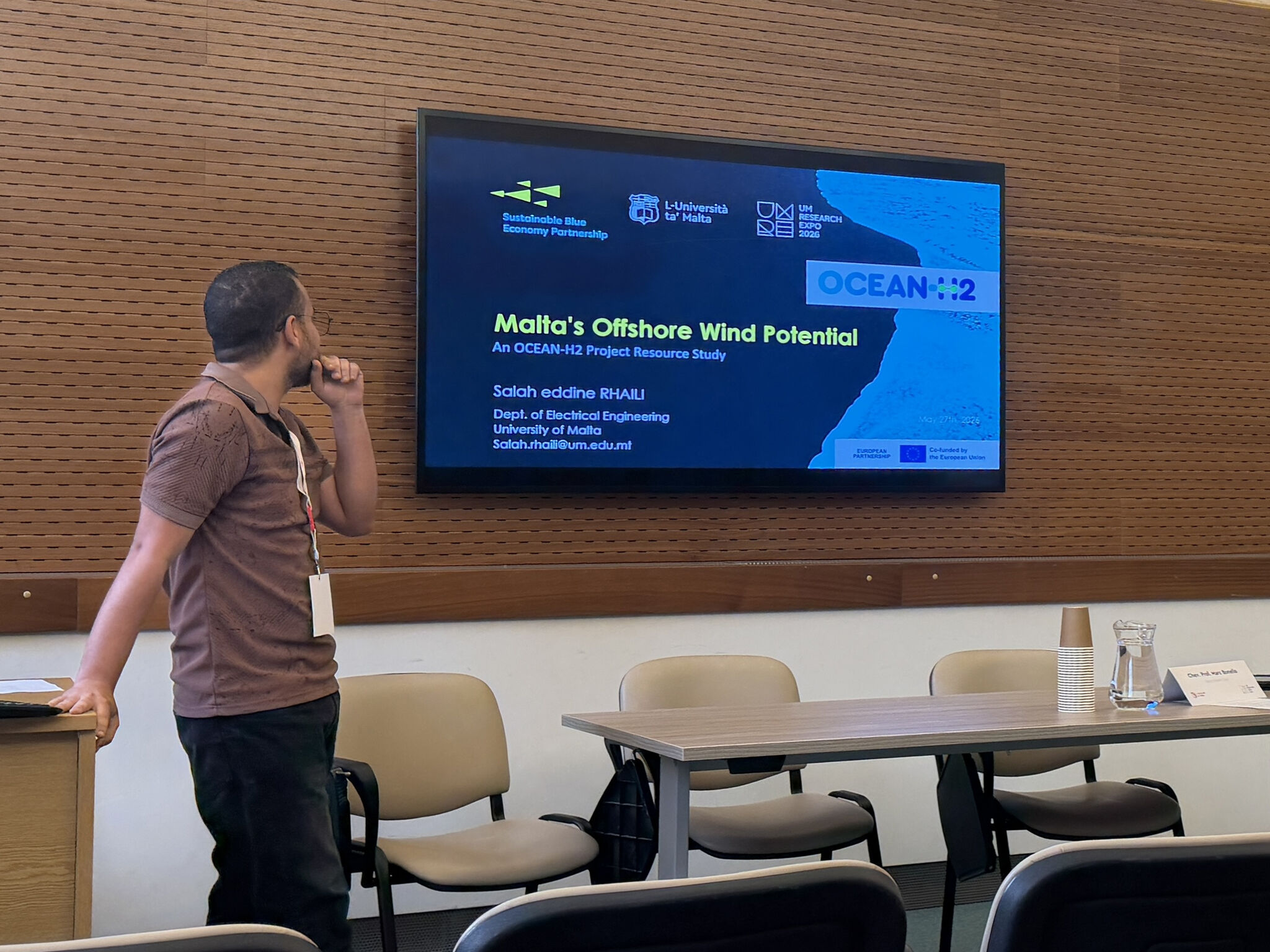
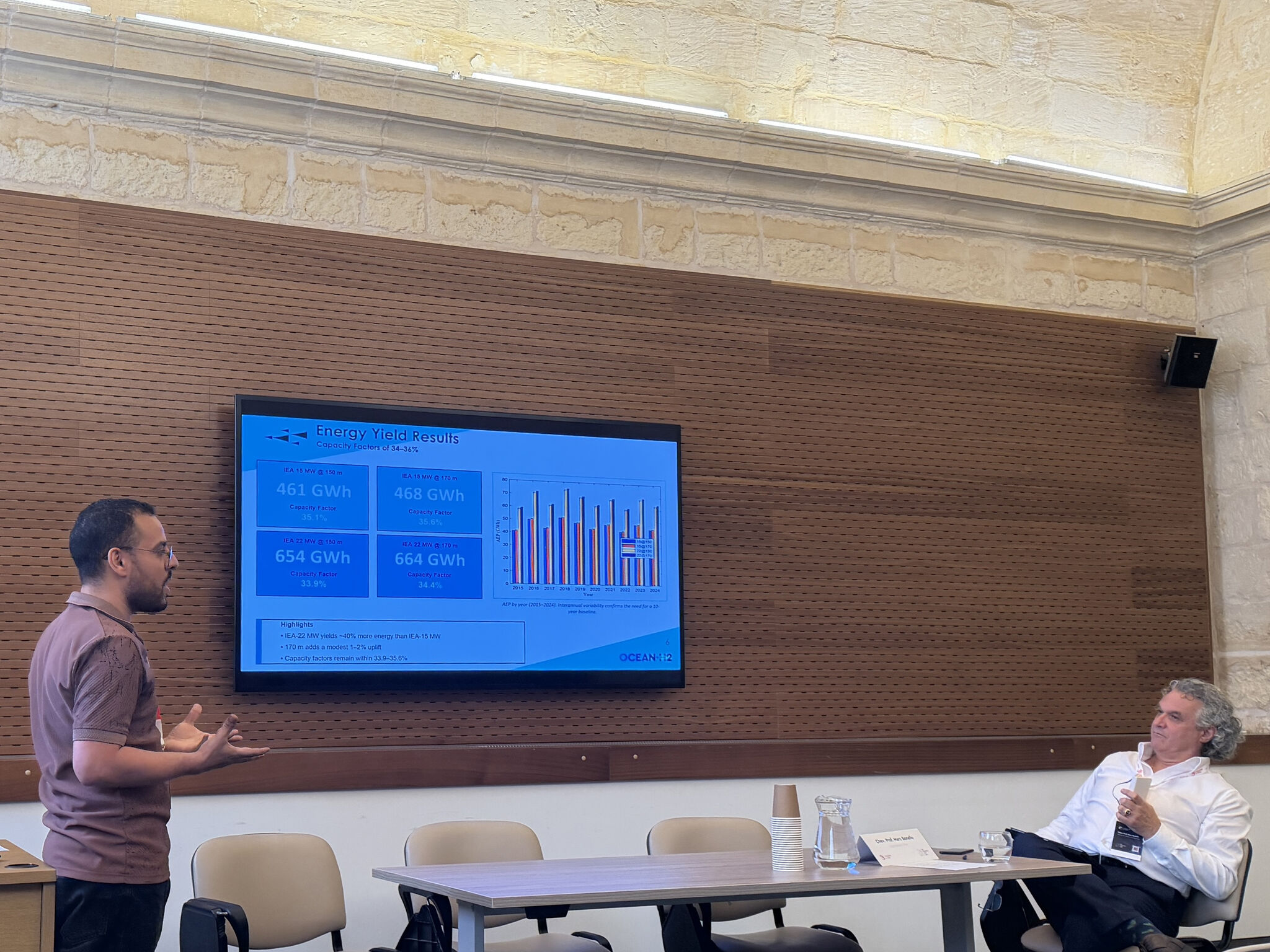
Ocean-H2 at the UM Research Expo 2026: a European perspective on offshore green-hydrogen production
On 27 May 2026, at the Valletta Campus, the University of Malta Research Expo 2026 brought together researchers, doctoral candidates, and members of the academic community for a full day dedicated to interdisciplinary exchange and the promotion of the University’s research activities.
In this context, Ocean-H2 presented its latest progress on offshore green-hydrogen production, with a focus on the comparative assessment of European basins.
OCEAN-H2 has already assessed the North Sea and the Mediterranean. A Baltic Sea site completes a three-basin picture of European offshore wind for green-hydrogen production.
The selection presented at the event represents a preliminary candidature-stage screening, based on general and comparable site metrics.
OCEAN-H2 endorsed as a UN Ocean Decade Action
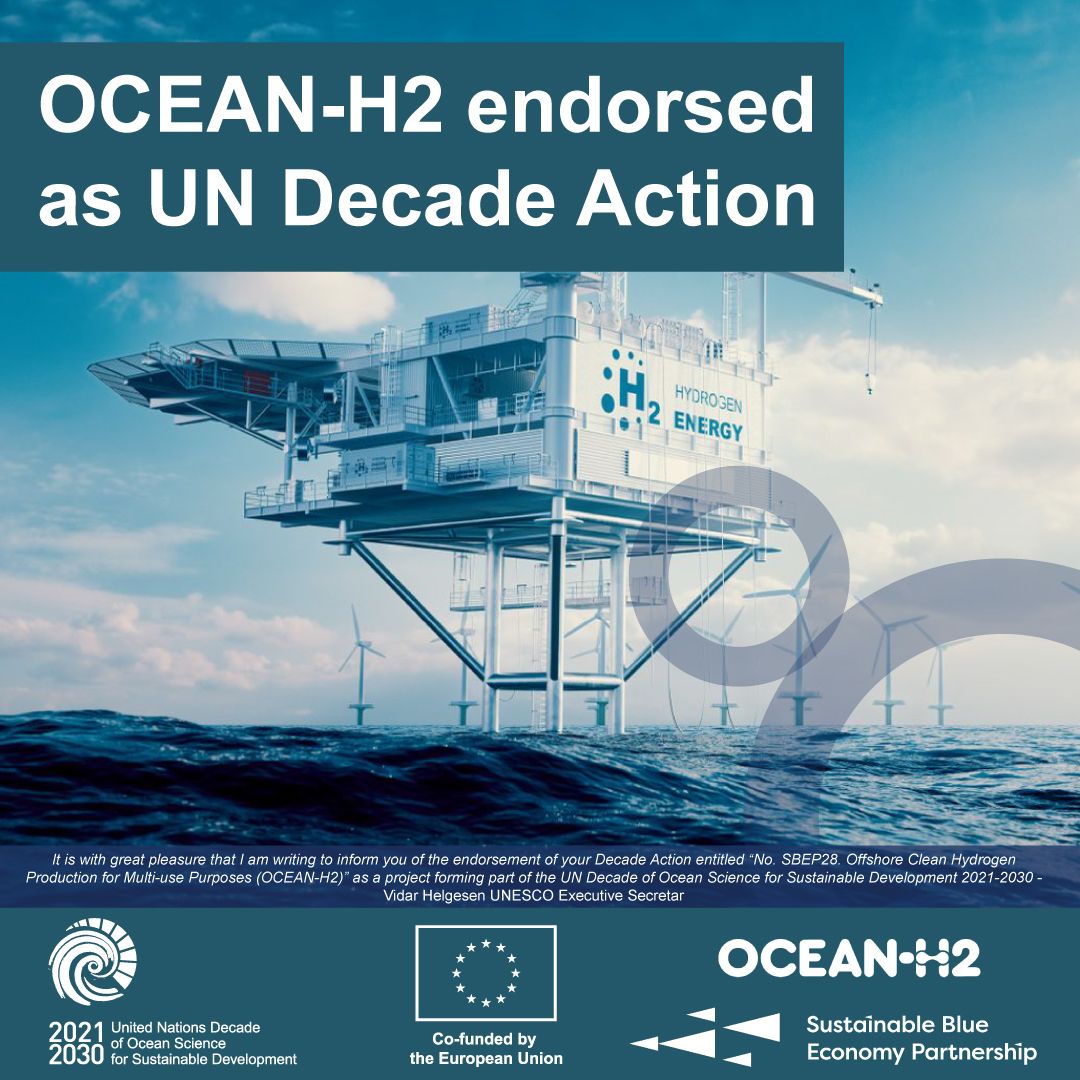
The Offshore Clean Hydrogen Production for Multi-use Purposes project, carried out within the Sustainable Blue Economy Partnership and coordinated by the University of Malta, has received official endorsement as a Decade Project under the UN Decade of Ocean Science for Sustainable Development 2021–2030.
This endorsement marks an important milestone for the consortium and recognizes the scientific, technological, and collaborative relevance of the project’s contribution to offshore clean hydrogen production, sustainable multi-use approaches, and innovation at the ocean-energy interface.
The consortium welcomes this achievement with renewed commitment, reaffirming its dedication to contributing meaningfully to a more sustainable future for the ocean and the communities that depend on it.
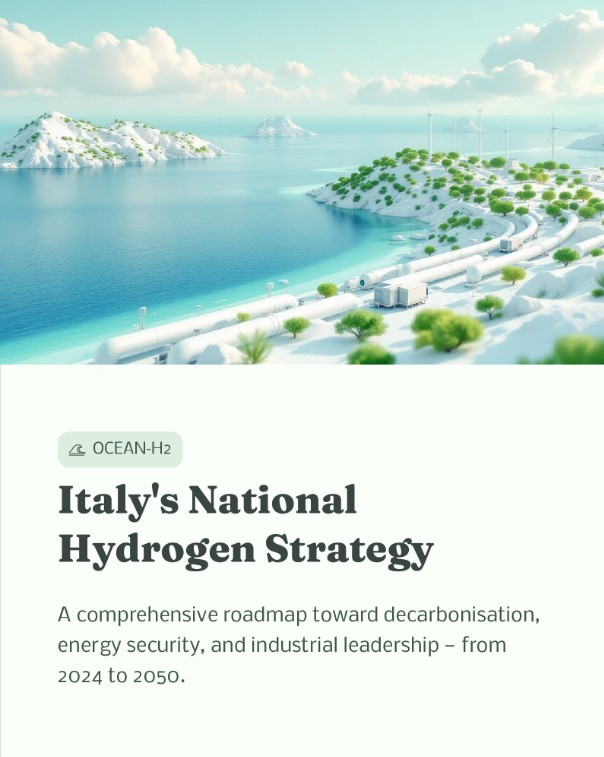
Italy’s National Hydrogen Strategy
In the context of the European energy transition, hydrogen represents one of the most relevant pillars for the decarbonization of hard-to-abate industrial sectors, heavy mobility, and large integrated energy systems.
Within the Ocean-H2 project, an in-depth analysis of national and European policies will be carried out to clarify objectives, technical constraints, operational solutions, and implementation timelines.
Relevance for Ocean-H2
- Hydrogen is a key vector for the decarbonization of maritime and port systems.
- Import, storage, and distribution infrastructures will be crucial for Italy’s Mediterranean positioning.
- Industrial and transport demand will require integrated, interoperable, and scalable solutions.
- The 2030–2040–2050 roadmap provides a framework for investment, research, and development.
Ocean Decade Challenge 4 and Ocean-H2: Building a Sustainable Ocean Economy
The transition toward a sustainable ocean economy requires knowledge, innovation, and coordinated action. Within the UNESCO Ocean Decade, Challenge 4 provides a strategic foundation to guide policies, investments, and technologies toward a fair, resilient, and science-driven blue economy.
The Ocean-H2 project aligns closely with this global mission. Offshore hydrogen, marine energy systems, and blue infrastructure can help decarbonise ports, maritime transport, and coastal industries.
Malta’s National Policy for Offshore Renewable Energy
Malta has outlined a national strategy for offshore renewable energy, focusing on floating wind and offshore solar as suitable technologies for its deep-water conditions.
The policy establishes foundations for a long-term clean-energy transition, supporting energy security, investment, innovation, and the development of port and coastal infrastructure.
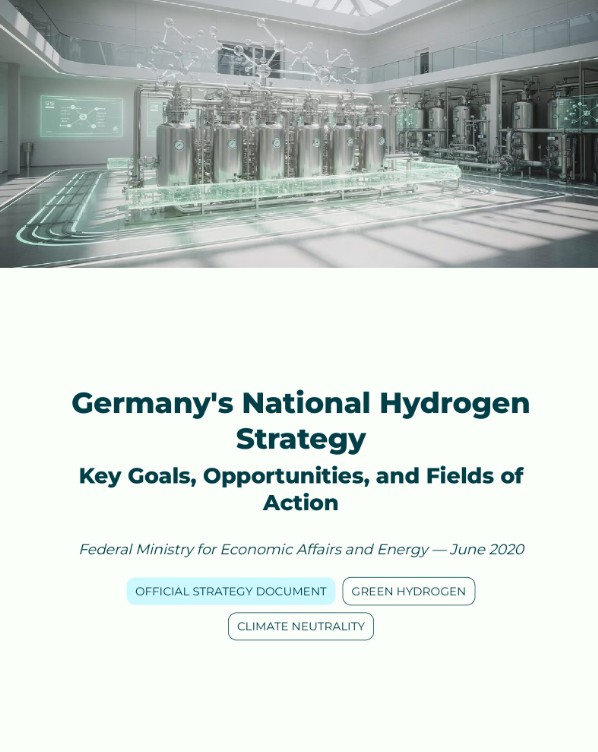
Germany’s National Hydrogen Strategy
Germany’s National Hydrogen Strategy outlines a framework for building a climate-neutral, hydrogen-powered economy. Hydrogen is positioned as a pillar of the country’s decarbonisation pathway in sectors where direct electrification is difficult.
The infographic summarises the strategy’s key pillars, including market development, infrastructure, research, and international cooperation.
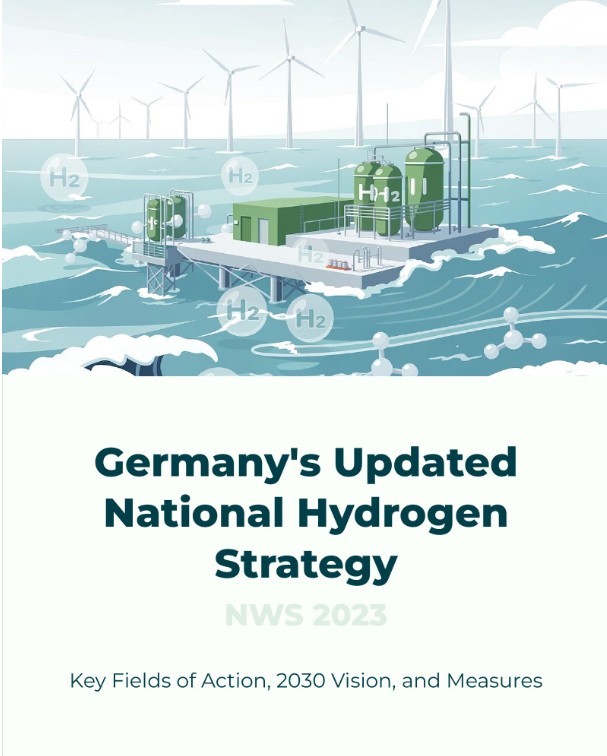
Germany’s Updated National Hydrogen Strategy (NWS 2023)
Germany released an updated National Hydrogen Strategy to respond to geopolitical and energy-market shifts. Hydrogen is confirmed as a pillar of the pathway to climate neutrality by 2045, with greater focus on supply security and industrial competitiveness.
The update raises domestic electrolysis ambitions, outlines network planning, and reinforces hydrogen’s role across industry, transport, and power.
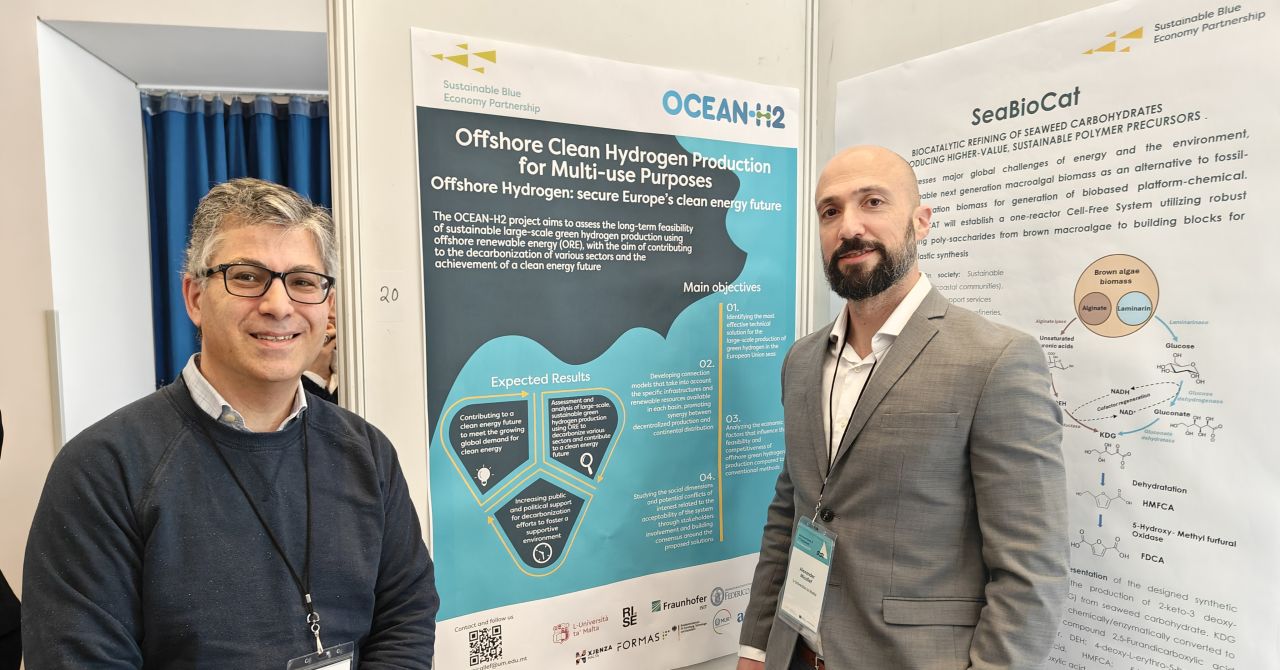
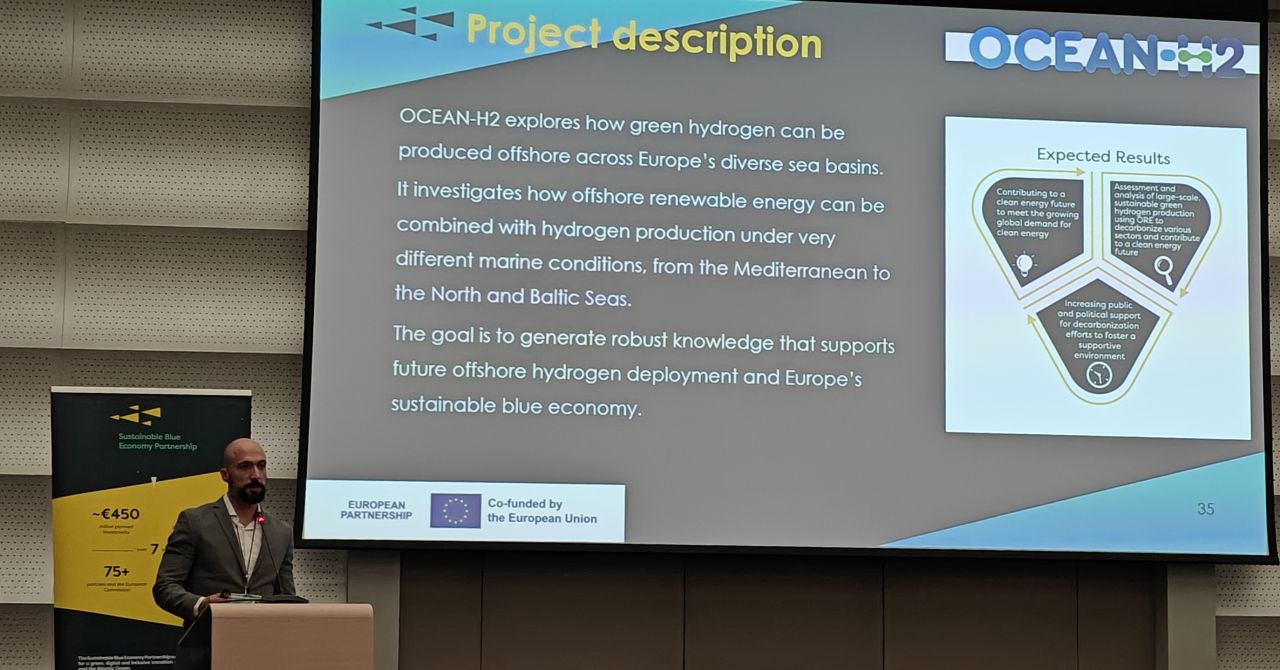
Ocean-H2 at the SBEP Symposium 2026
At the Sustainable Blue Economy Partnership Symposium 2026, Alexander Micallef presented the vision behind Ocean-H2, a project exploring how green hydrogen can be produced offshore across Europe’s diverse sea basins.
Ocean-H2 integrates contrasting marine, climatic, and infrastructural conditions across Europe, enabling assessment of offshore hydrogen concepts under different environments and regulatory settings.
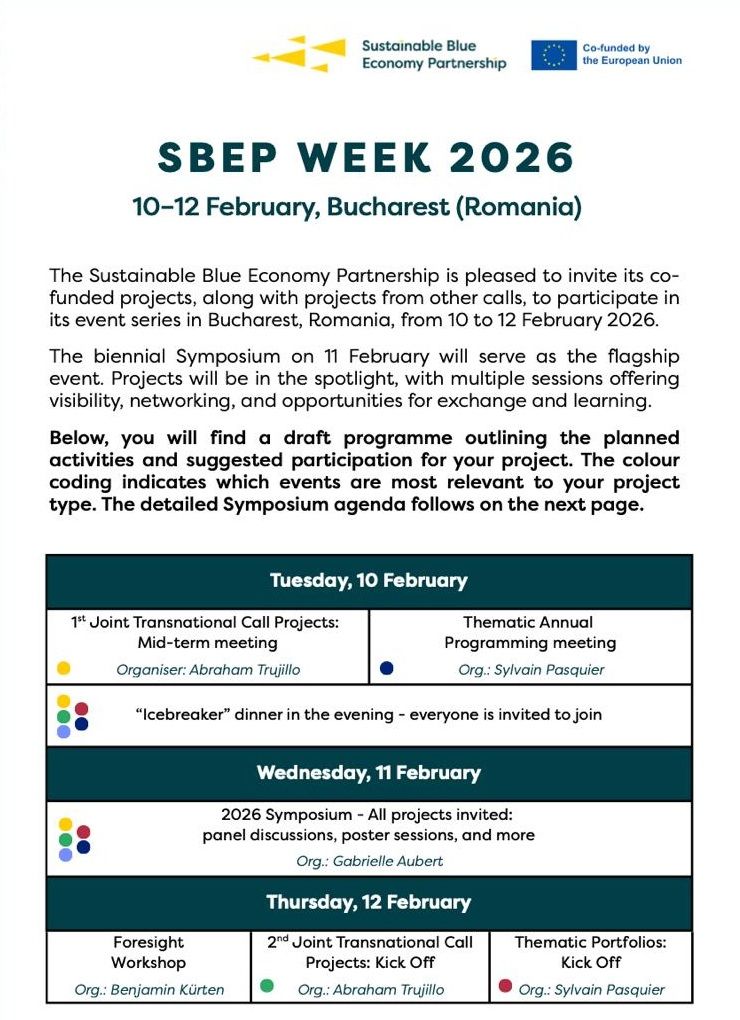
SBEP Week 2026: a look at the future of the Blue Economy
Bucharest hosted SBEP Week 2026, bringing together European projects working toward a sustainable Blue Economy through thematic sessions and stakeholder exchange.
OCEAN-H2 contributes through techno-economic and socio-technical analysis of offshore hydrogen production across EU sea basins, integrating engineering research, environmental assessments, stakeholder engagement, regulatory alignment, and social research.
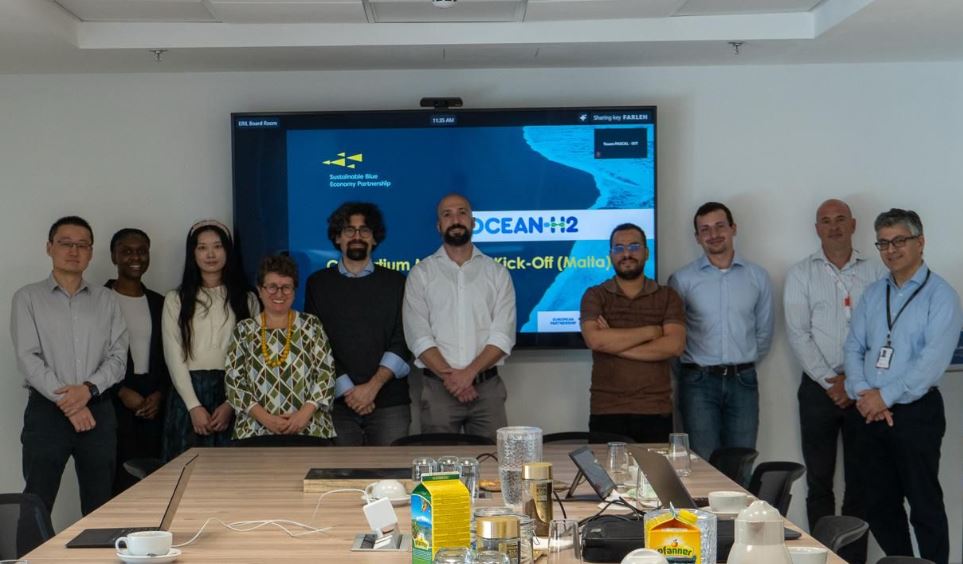
OCEAN-H2 Consortium Meeting (Malta)
Partners met in Malta to review progress across work packages and align the next technical and communication steps, covering offshore hydrogen system architecture, offshore power conversion, wind-resource modelling, and dissemination planning.
The meeting consolidated priorities for the next phase, including coordination of modelling assumptions and agreement on key interfaces between offshore generation and hydrogen production.
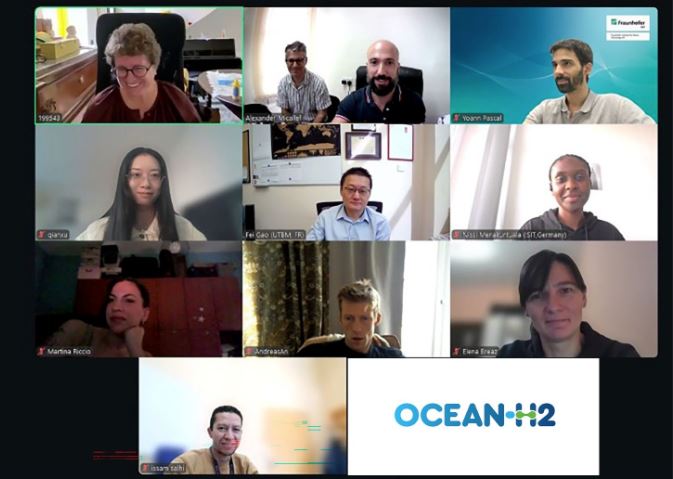
Project Launch: Offshore Clean Hydrogen for Multi-use Purposes
OCEAN-H2 is a Sustainable Blue Economy Partnership project assessing the long-term feasibility of large-scale green hydrogen production using offshore renewable energy.
The project is coordinated by the University of Malta and delivered with partners across Europe, bringing together complementary expertise in power electronics, offshore integration, resource assessment, and social sciences.